
By the end of September most outdoor greens in Glasgow have had their last end of the year, and by November the grass is being rested, scarified and left to the weather. That does not mean you have to put your bowls in the cupboard until spring. Indoor bowls runs right through the dark months, and it is one of the best ways to keep your touch, stay active and keep seeing the people you bowl with in summer.
Two Seasons, One Game
In the UK the outdoor season usually runs from April to September, and the indoor season fills the gap from October to March. Exact dates vary from club to club, so check before you plan around them, but the pattern is the same almost everywhere: as the outdoor clubs close their greens, the indoor rinks fill up with leagues, club competitions, social roll-ups and beginners’ sessions.
The rules are close enough to the outdoor game that you can move between the two without relearning anything. You still deliver from a mat, you still draw to the jack, and the scoring works the same way. What changes is the surface under your bowl, and that makes a bigger difference than most newcomers expect.
Where to Play Indoors in and Around Glasgow
Glasgow has dedicated indoor bowling clubs as well as plenty of smaller sessions in halls and community centres. Two well-known starting points on the south side:
- Glasgow Indoor Bowling Club, 177 Prospecthill Road, G42 9LQ. It sits opposite Mount Florida station, so it is easy to reach by train from Central. Local groups such as the Glasgow Southside u3a run regular afternoon sessions there between October and the end of March.
- West of Scotland Indoor Bowling Club, 19 Rutherglen Road, Rutherglen, G73 1SX, just over the city boundary and a short trip from the south side and the east end.
Opening hours, membership fees and visitor rates change from season to season, so phone or email the club before your first visit and ask when beginners or visitors are welcome. Many members of outdoor clubs bowl indoors in winter, so asking around at your summer club is often the quickest way to find a rink and a team. If you are still looking for a summer home for next year, our overview of bowling places in Glasgow lists outdoor clubs worth contacting while you are at it.
How the Carpet Changes Your Game
The single biggest difference indoors is speed. Bowlers measure the pace of a green in seconds: the time a bowl takes from leaving your hand to coming to rest about 27 metres away. The longer it takes, the faster the green. A typical outdoor green in the UK runs at around 11 seconds, while indoor carpets are generally quicker than 13 seconds and stay that way all season.
In practice that means three things:
- Less weight. Your normal outdoor delivery will send the bowl through the head and into the ditch. Shorten your backswing slightly and let the bowl roll rather than pushing it.
- More swing, but in less space. A faster surface gives the bias more time to work, so the bowl curls further. At the same time, most indoor rinks are narrower than outdoor ones, so a very wide-drawing bowl can run out of room.
- No excuses from the weather. There is no wind and no wet patch by the ditch. The carpet is consistent from rink to rink and week to week, which makes it an excellent place to groove a repeatable delivery.
That last point is why many bowlers say their outdoor game improves after a winter indoors. With the conditions taken out of the equation, you see your own mistakes much more clearly: a bowl that finishes a metre short is your weight, not a gust off the Clyde.
Do You Need Different Bowls?
You can play indoors with the bowls you use outdoors, and many club bowlers do. The question is how wide your bowls draw. Slower outdoor greens suit a wider bias, while fast indoor carpets suit a narrower, straighter-running bowl. A mid-bias set is the usual compromise for anyone who plays both seasons.
If you are buying your first set, or thinking of a second set just for winter, our guide to choosing lawn bowls by size, weight and bias explains what to look for. Do not rush into it: borrow club bowls for a few weeks first, see how your own set behaves on the carpet and decide in the new year.
Short Mat Bowls: The Hall Version
Not every indoor game needs a full-length rink. Short mat bowls is played on a roll-out mat 40 to 45 feet long and 6 feet wide, which fits into church halls, community centres and sports halls. A wooden block sits in the middle of the mat, and any bowl that touches it is dead, so you have to curve every delivery around it. A wooden fender at each end does the job of the ditch.
It is a sociable, inexpensive way to bowl through the winter, especially if the nearest indoor club is a bus ride away. The skills transfer well: judging weight on a short, quick surface sharpens your touch for drawing to a short jack outdoors.
What to Bring on Your First Night
Indoor clubs care about their carpet as much as outdoor clubs care about their grass. A short checklist:
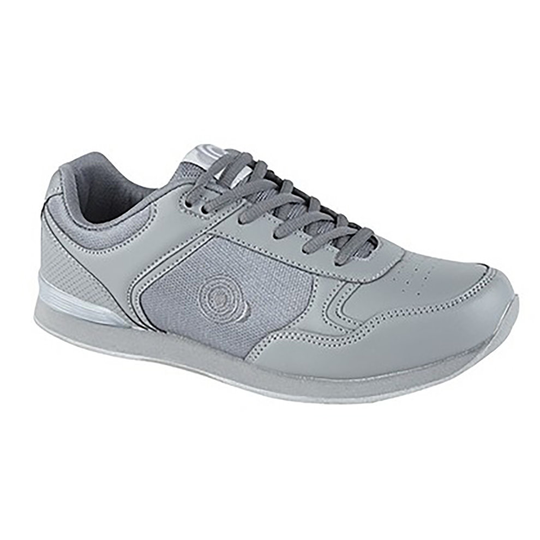
- Clean, flat-soled shoes with no heel. This is the one thing every club insists on. Keep a pair just for indoors so you never carry grit onto the carpet. Lightweight trainer-style bowls shoes such as these grey Dek bowling shoes are comfortable for a long session and easy to carry in a bag.
- Your bowls, or nothing at all. Many clubs lend bowls to newcomers, so ask first rather than buying straight away.
- A small cloth. Carpets are dry, but hands get warm and a clean bowl is easier to grip.
- Light layers. Indoor halls are heated, so you will not need the waterproofs and fleeces of an April evening outdoors.
- A little cash or a card. Some clubs charge a rink fee or visitor fee on the night.
Arrive ten minutes early, introduce yourself and say you are new. Indoor sessions often mix players for roll-ups, which is the easiest way to get to know people and pick up tips.
Keeping Your Outdoor Game Ready for April
Treat the winter as practice with a purpose. Pick one thing to work on, such as a consistent stance on the mat, a steady line on the forehand or getting your backhand weight right, and focus on it for a few weeks at a time. Play in a league if you can: competitive ends teach you more about reading a head than any number of practice bowls.
Expect a short adjustment when you go back outside in spring. The grass will feel heavy for the first few games, so add weight gradually rather than overcorrecting. The bowlers who settle fastest are usually the ones who kept bowling all winter.
If you have never bowled indoors before, the simplest next step is to phone one of the clubs above this week and ask when their next beginners’ or visitors’ session is. Take clean flat shoes, leave your expectations at the door and let the carpet show you how much the outdoor greens were helping you.